I sat across from a bright young woman a few months ago who had just finished her +2 and had no idea what to do next. “Ma’am, just tell me which one is right,” she said. I couldn’t. What I could tell her and what I keep telling every student and professional who walks into my office is that nobody else is going to manage your career for you. Not your college, not your first employer, not even a well-meaning relative. It’s yours to build. The good news is, after years of doing this work, I’ve noticed the people who end up genuinely happy with where they land tend to do a handful of the same things. Here they are.
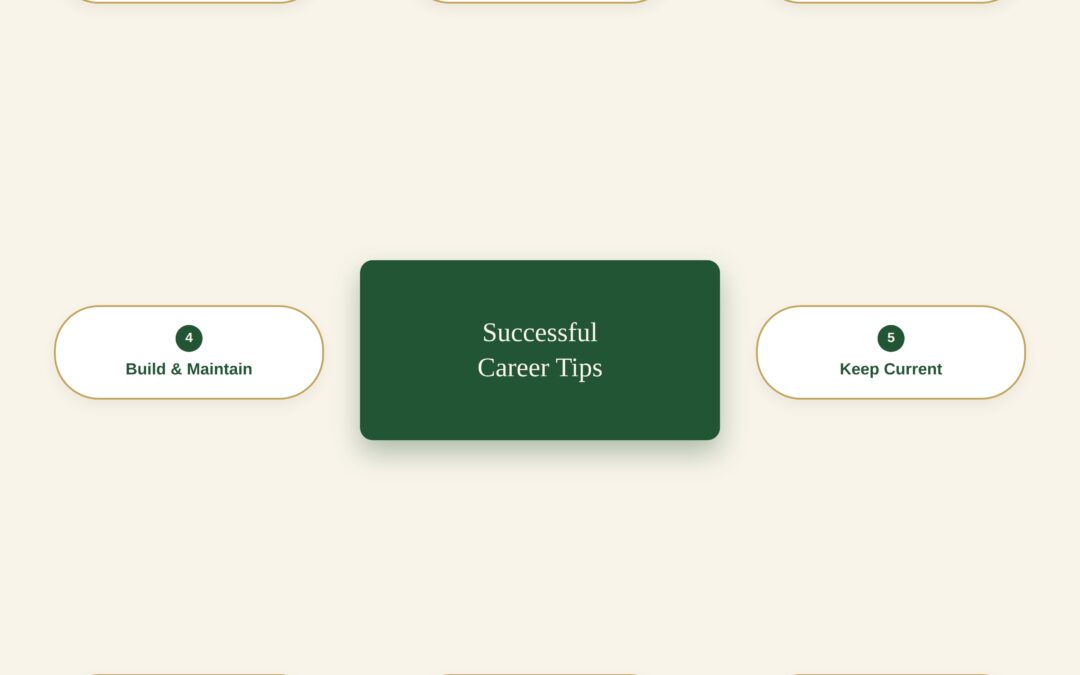
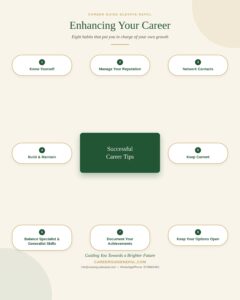
1. Actually get to know yourself
This sounds obvious until you sit with it for a minute. Most people choose a career the way they choose a seat on a bus whatever’s free, or whatever their friend is sitting in. Before you pick a stream, a job, or a shift in direction, spend real time figuring out what you’re good at and what actually pulls you in, not just what looks impressive on paper. A good career assessment with someone trained to read it properly can save you years of second-guessing.
2. Watch your reputation — it’s always being written
Nobody remembers the one time you gave a brilliant presentation nearly as well as they remember whether you showed up on time, kept your word, and treated people decently when no one important was watching. Your reputation isn’t built in the big moments. It’s built quietly, in the ordinary ones, and it travels ahead of you into rooms you haven’t even entered yet.
3. Build real relationships, not a contact list
I still hear from a student I counseled almost eight years ago, and last year she connected me with someone who ended up becoming a great collaborator. That’s networking — not collecting business cards, but staying in touch with people because you’re genuinely interested in them. Talk to your seniors, your professors, people in fields you’re curious about. Most opportunities don’t come from job portals. They come from someone remembering your name.
4. Don’t let your skills go stale
What got you hired five years ago won’t necessarily keep you relevant today. This doesn’t mean chasing every new trend — it means paying attention, staying a little curious, and being willing to learn something new even after you think you’ve “arrived.”
5. Leave a few doors open
You don’t have to have it all figured out at eighteen, or even at thirty. Committing to a direction is good; boxing yourself in isn’t. Build skills that travel with you across roles and industries, so if life throws a curveball — and it usually does — you’re not starting from zero.
6. Keep a record of what you’ve actually done
I ask clients preparing for interviews to list their achievements, and half the time they go quiet — not because they haven’t done anything, but because they never wrote it down. Keep notes as you go: the project you saved, the target you hit, the thing you built. Future-you, sitting in a salary negotiation, will thank present-you.
7. Be excellent at one thing, but not only that thing
Specialists get hired. People who can also see the bigger picture, work across teams, and speak a language beyond their own department get promoted. Aim to be genuinely good at something specific, while staying curious enough to understand how the rest of the puzzle fits together.
8. Treat your career like something you maintain, not something you finish
A career isn’t a certificate you frame and forget about. It needs regular check-ins with yourself — is this still what I want, does this still fit who I’m becoming? The people who stay fulfilled are usually the ones who keep asking that question, instead of just running on autopilot.
One last thing
None of this happens overnight, and you don’t have to do it alone. If you’d like to talk through where you are right now — whether you’re choosing a stream, switching careers, or just feeling stuck — that’s exactly what we do at Career Guide Elevate Nepal, through one-to-one counseling and a set of proven career assessments that help bring some clarity to the noise.
enhancing career